Replacing a furnace is one of the few home decisions where the homeowner has to judge the work before seeing any of it. The equipment arrives in a box, the installation happens in a basement or a closet, and most of what separates a good job from a poor one is invisible by the time the crew leaves.
The way to close that gap is to ask a heating contractor in Utah a specific set of questions during the proposal conversation. Home Performance Pros explains its furnace installation process for homeowners in Salt Lake City, Provo, Draper, and Lehi, and the questions below apply to any conversation you have with a heating company in this area. This article does not evaluate companies, recommend equipment, or diagnose a system.
Ask what the assessment covers before a proposal is written
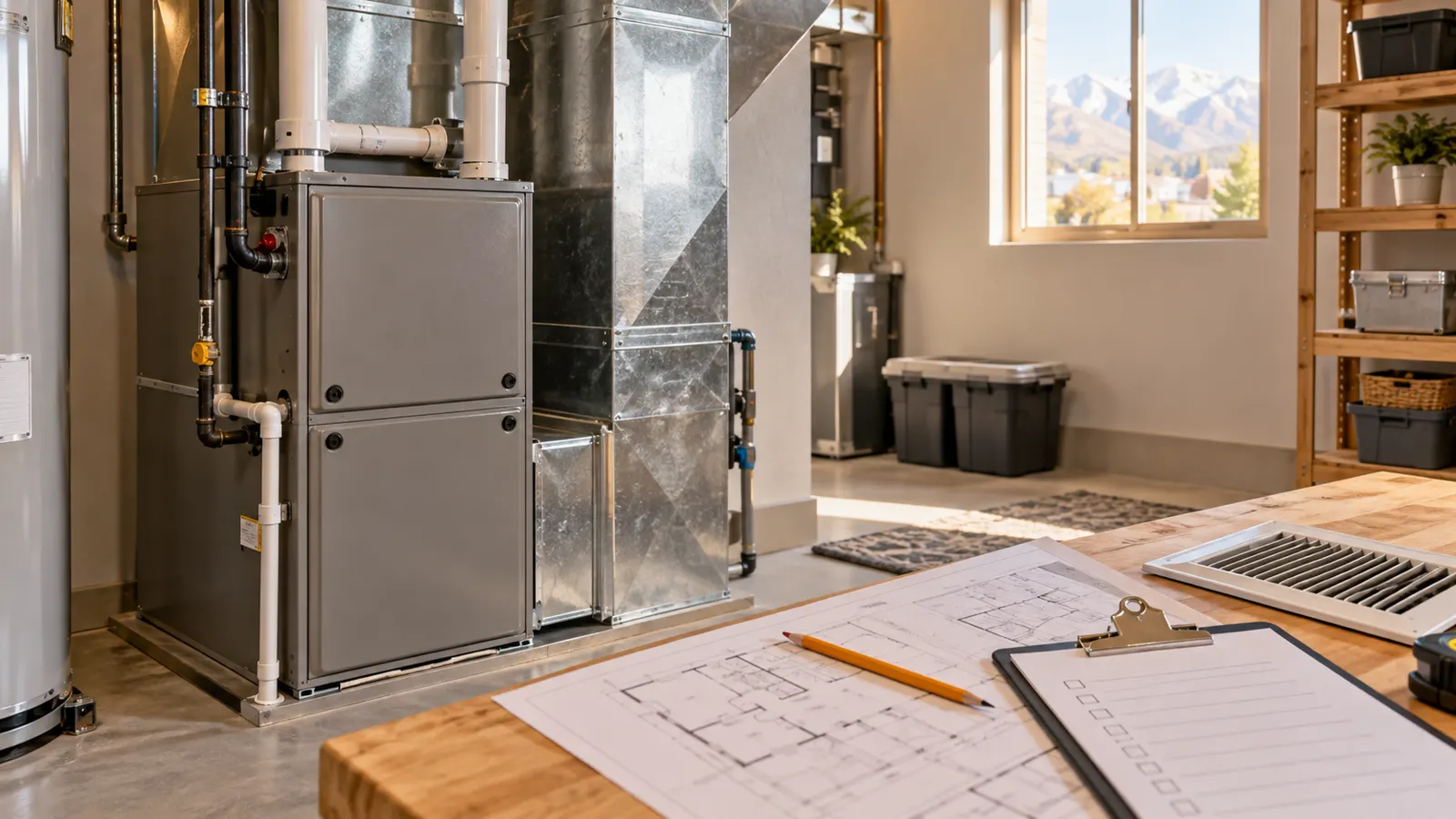
The first question is about sequence. A replacement proposal is downstream of an assessment, and what goes into that assessment shapes everything after it.
- What will be examined during the visit, and how long will it take?
- Is the existing ductwork part of the assessment or outside of it?
- How is the home's heating load determined?
- Will the venting and combustion air arrangement be evaluated?
- What parts of the assessment happen at the house versus afterward?
A heating contractor who wants to walk the house before answering is giving you the right answer. Be more cautious about a recommendation that arrives without anyone having looked at the building, because the building is where the requirements come from.
Ask what the proposal actually includes
The scope of a replacement varies far more than most homeowners expect. Two proposals can describe work that is genuinely different while looking similar on the surface.
Ask for the scope in writing and read it as a sequence: what the crew is responsible for before startup, what gets checked when the system first runs, which records you receive, how cleanup is handled, and what follow-up belongs to the contractor. This keeps the proposal conversation focused on deliverables instead of repeating the building-evaluation factors covered elsewhere.
Then ask the follow-up that matters most: what is explicitly not included. A clear answer about exclusions tells you more about a contractor's habits than a long list of inclusions does.
Ask about compatibility with what is already there
A furnace does not operate on its own. It sits in a system that includes ducts, a return path, a thermostat, and in many homes a cooling coil sharing the same cabinet and the same airflow.
- Does the existing ductwork suit the system being proposed, and how was that determined?
- If there is an air conditioner or heat pump, how does the change affect it?
- Will the existing filter arrangement still work, and does the filter size or location change?
- Does the return air path need any modification?
- Is anything about the existing installation being reused, and why?
Filter compatibility is worth a direct question. A cabinet change can change the filter size, and a homeowner who finds that out eight months later has been running whatever fit.
Ask how the controls will be set up
Controls are where a furnace replacement most often disappoints without anyone understanding why. A thermostat that does not match the equipment can leave a capable system behaving like a basic one.
Ask whether your current thermostat is compatible with the proposed equipment, and what happens if it is not. Ask who configures it, whether any staging or fan settings are set during the installation, and whether you will be shown how the settings work before the crew leaves.
If the thermostat location is poor, ask whether it is being addressed. A thermostat in a hallway near a supply register reports on the hallway, and moving it is a decision that belongs in the proposal rather than in a complaint six weeks later.
Ask what commissioning means on this job
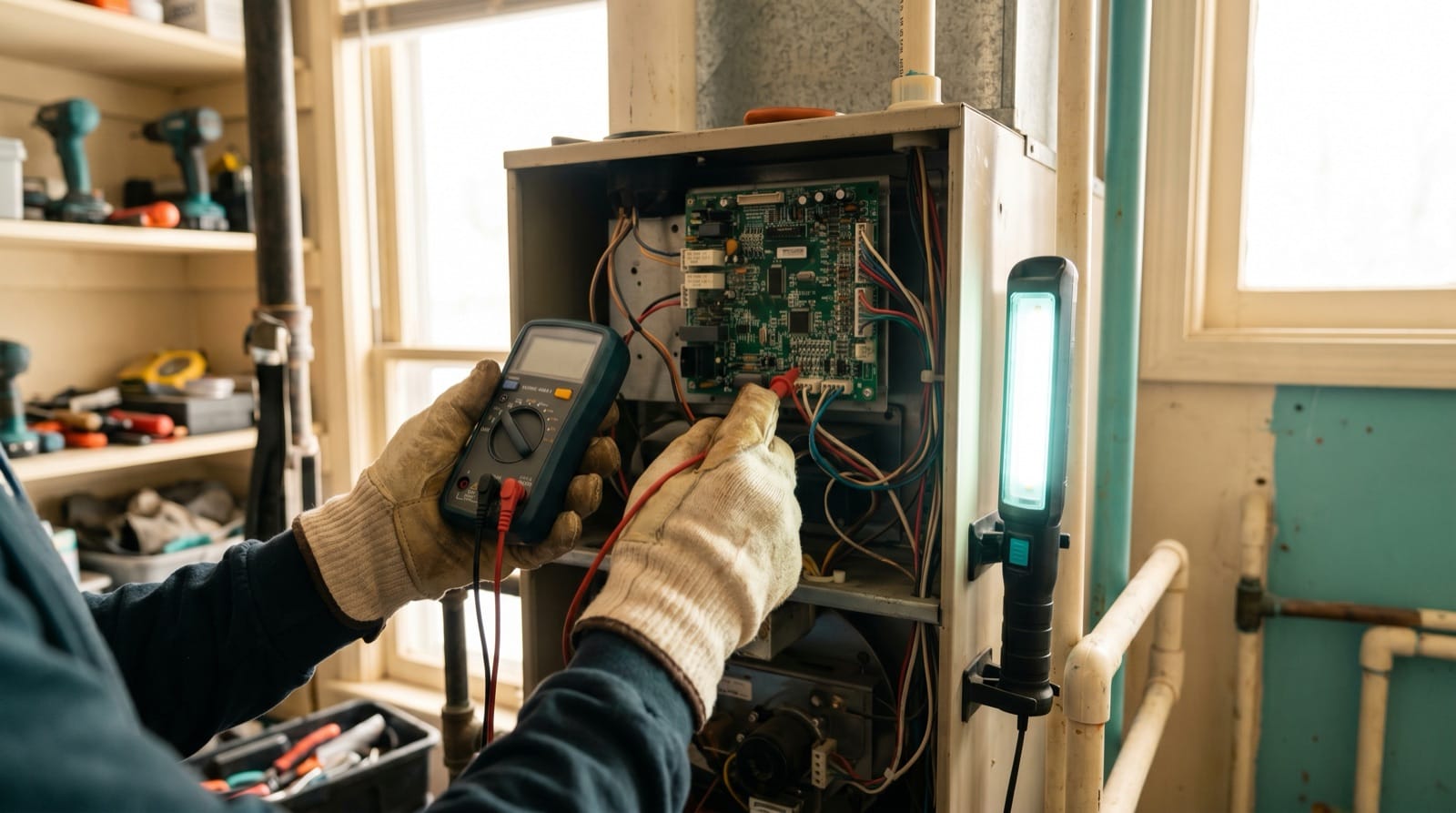
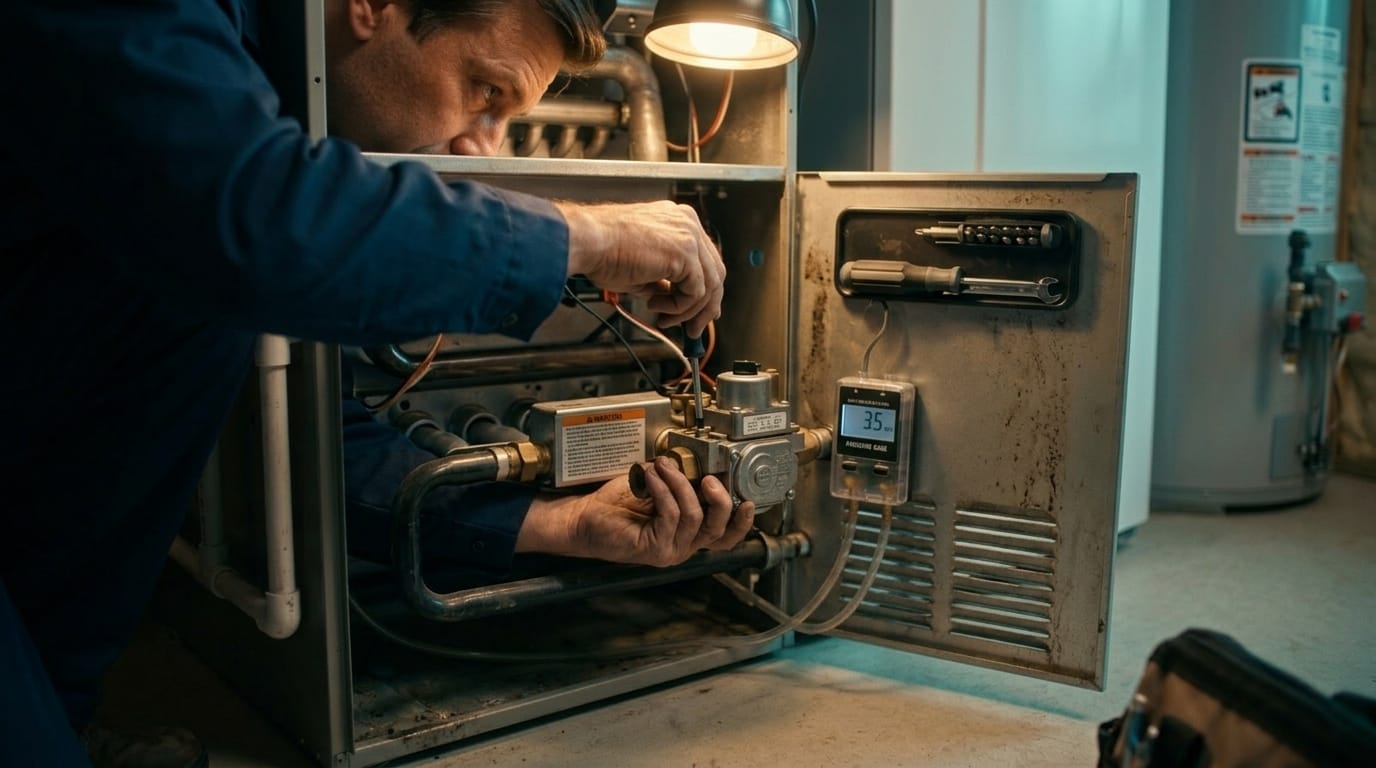
Commissioning is the set of checks and adjustments made after the equipment is connected and running. It is the step that converts a correct installation into a system that operates the way it was designed to.
- What is measured or verified after startup?
- Who performs those checks, and are the results written down?
- Do you receive a copy of the startup readings?
- What adjustments are made if a reading is outside the expected range?
- What happens if something needs a return visit?
Ask for the commissioning record specifically. A contractor who documents startup readings is a contractor who has to stand behind them, and that documentation becomes the baseline for every service visit afterward.
Ask the practical questions about the day itself
These questions are less technical but they prevent most of the friction that homeowners actually experience during a replacement.
- How long is the work expected to take, and will the house be without heat during any of it?
- Who will be in the home, and is there a lead contact for the job?
- What should be cleared or moved before the crew arrives?
- How is the work area protected, and what does cleanup include?
- What documentation do you receive at the end, including manuals, model and serial numbers, and warranty registration?
Warranty registration is easy to overlook. Ask whether the contractor handles it or whether it is yours to complete, and confirm the deadline, because manufacturer coverage often depends on it.
Ask what happens after the installation
The relationship does not end when the crew drives away. Ask who to call for a question in week two, what maintenance the equipment requires and on what schedule, and how service on the new system is handled.
Ask what the manufacturer's maintenance requirements are for the specific equipment, since coverage can depend on documented service. That answer should come from the manufacturer's documentation rather than from a general rule of thumb.
Take notes and compare answers, not impressions
Write the answers down during each conversation. The value of a fixed question set is that it produces comparable responses, and comparable responses are much easier to judge than the general impression a visit leaves.
Pay attention to how uncertainty is handled. "We will know more once we see the duct runs" is a good answer from a heating contractor when it comes with a plan for telling you what they found. An answer with no hedging at all, before anyone has been in the house, is worth a second look.
If you are planning a furnace replacement in Salt Lake City, Provo, Draper, or Lehi, contact Home Performance Pros to schedule an in-home assessment and start the conversation with these questions in hand.