

Winter in Utah can be long, cold, and expensive—especially when heating systems work overtime to keep homes comfortable. If your energy bills spike every winter, you’re not alone. Fortunately, there are practical ways to save on heating bills in Utah without sacrificing comfort.
By dialing in your thermostat settings, staying on top of air filters, and using a few smart HVAC efficiency strategies, you can reduce energy waste and keep your home warmer and healthier all season long. Below, we’ll walk through the most effective winter energy-saving tips for Utah homeowners and explain when professional help can make an even bigger impact.
Start With the Best Thermostat Setting for Winter in Salt Lake and Utah County
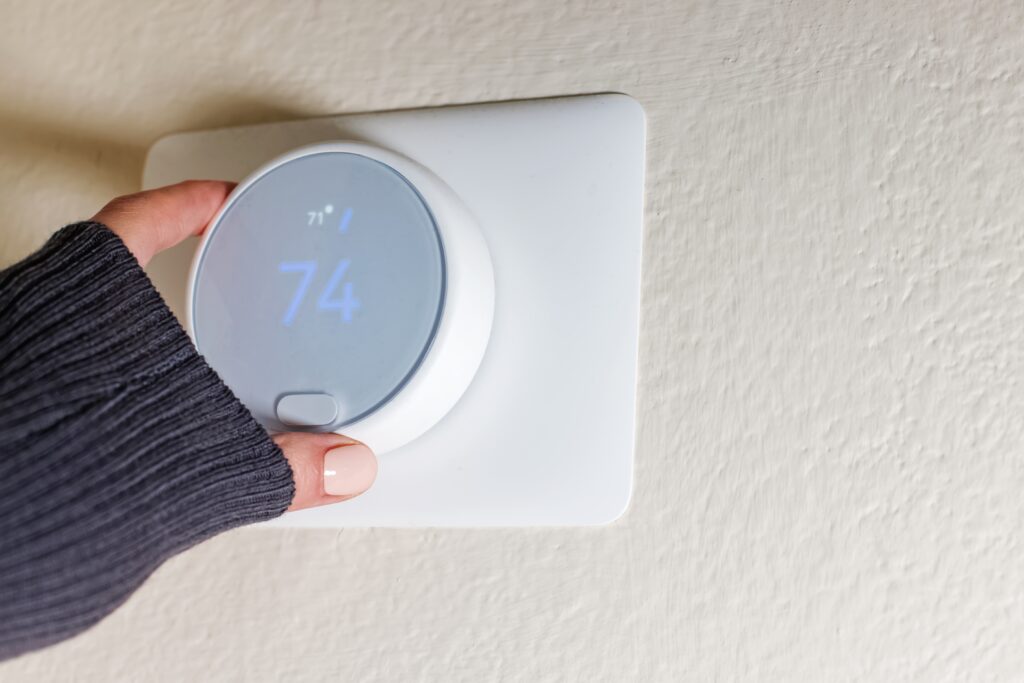
One of the easiest ways to lower heating costs is adjusting your thermostat correctly. According to energy-efficiency guidelines, the best thermostat setting for winter in Salt Lake City and surrounding areas is around 68°F when you’re home and awake.
When you’re asleep or away from home, lowering the thermostat by 7–10 degrees can significantly reduce energy usage without affecting comfort. Even small adjustments add up over time.
If you’re still using a manual thermostat, upgrading to a programmable or smart thermostat can make a big difference. These devices automatically adjust temperatures based on your schedule, helping you save energy without constantly thinking about it. During a professional visit for heating services, a technician can also ensure your thermostat is properly calibrated so your furnace isn’t running longer than necessary.
Use Smart Setbacks Without Making Your Home Uncomfortable
Some homeowners worry that lowering the thermostat too much will make their home feel cold or take too long to reheat. The key is gradual setbacks rather than drastic drops. Lowering the temperature slightly overnight or during work hours reduces heat loss while keeping recovery times reasonable.
If your furnace struggles to reheat your home after setbacks, it could be a sign of airflow issues, dirty components, or an aging system—all problems that reduce efficiency and increase heating costs over time.
Change Filters Regularly to Improve Efficiency
Dirty air filters are one of the most common—and most overlooked—causes of high winter energy bills. When filters are clogged with dust and debris, airflow becomes restricted. Your furnace then has to work harder to push warm air through the system, using more energy in the process.
Most homes should replace furnace filters every one to three months during winter, depending on usage, pets, and indoor air quality conditions. Clean filters help your system run efficiently, improve comfort, and protect internal components from unnecessary strain.
For homeowners who want convenience and consistency, using a filter delivery or shop service ensures the right filter arrives on schedule, so replacements never get skipped during the busiest months of the year.
Seal Air Leaks and Reduce Heat Loss
Even the most efficient furnace can’t compensate for a home that’s losing heat. Gaps around doors, windows, and attic access points allow warm air to escape and cold air to enter, forcing your heating system to run longer.
Simple steps like weatherstripping doors, sealing window gaps, and adding insulation where needed can noticeably reduce heat loss. These improvements help maintain steady indoor temperatures and reduce furnace run times, which translates directly into energy savings.
Don’t Ignore Indoor Air Quality in Winter
Indoor air quality plays a surprisingly important role in energy efficiency. Dry winter air often feels cooler than humidified air, causing homeowners to raise thermostat settings unnecessarily.
By improving indoor air quality with whole-home solutions—such as humidifiers, air filtration, or airflow improvements—you may feel more comfortable at lower temperatures. Professional IAQ services help balance humidity levels, reduce airborne pollutants, and create a healthier indoor environment during Utah’s driest months.
Better air quality doesn’t just improve comfort—it can also reduce strain on your heating system by allowing it to operate more efficiently.
Keep Vents and Returns Clear
Blocked vents and return registers disrupt airflow and create pressure imbalances in your HVAC system. Furniture, rugs, or curtains placed over vents force your furnace to work harder to distribute heat evenly.
Make sure all supply and return vents are open and unobstructed throughout your home. This simple habit helps maintain proper airflow, improves comfort, and supports energy-efficient heating performance.
Schedule a Winter Heating Tune-Up
One of the most effective HVAC energy-saving tips is scheduling a professional heating tune-up before or during winter. A properly maintained furnace runs more efficiently, heats more evenly, and is less likely to waste energy due to mechanical issues.
During a tune-up, technicians typically clean burners, inspect electrical connections, check airflow, replace worn parts, and ensure safe operation. These adjustments help your system perform at peak efficiency when you need it most.
Booking professional heating services also helps catch small problems early—before they turn into expensive repairs or mid-winter breakdowns.
Use Ceiling Fans Strategically
Ceiling fans aren’t just for summer. In winter, setting your fan to rotate clockwise at a low speed helps push warm air that rises back down into living spaces. This simple trick can improve comfort and allow you to lower your thermostat without feeling colder.
Avoid Space Heater Overuse
While space heaters may feel convenient, they’re often inefficient and can drive up electricity bills quickly. Relying on your central heating system—properly maintained and optimized—is typically more cost-effective and safer for whole-home comfort.
If you find yourself needing space heaters in certain rooms, it may indicate airflow imbalances, duct issues, or insulation problems that should be addressed professionally.
How Preventive Maintenance Saves Money Long-Term
Preventive maintenance is one of the smartest ways to control winter heating costs. Systems that receive regular care last longer, operate more efficiently, and experience fewer emergency breakdowns.
Maintenance plans make it easy to stay on schedule, spread out costs, and ensure your system is always prepared for Utah’s cold snaps. Over time, this proactive approach saves money by reducing energy waste and avoiding costly repairs.
When to Call a Professional
You should consider professional help if your heating bills continue to rise despite your efforts, your home heats unevenly, your furnace runs constantly, or your system hasn’t been serviced in over a year. These are signs your HVAC system may be operating inefficiently.
A trained technician can identify hidden issues, recommend upgrades, and help you get the most value from your heating system this winter.
Book an Efficiency Tune-Up Today
Saving on heating bills in Utah doesn’t require major sacrifices—just smart adjustments and proactive care. From thermostat settings and clean filters to professional inspections, every step adds up to better comfort and lower costs.
Home Performance Pros Heating & Cooling offers expert heating services, indoor air quality solutions, and system maintenance designed to help Utah homeowners stay warm without overspending.
Call 385-993-5260 or contact us online to book your efficiency tune-up today and start saving energy all winter long.
